The Significance of Red Color in Chinese Culture
In Chinese culture, the color red is imbued with profound meanings, representing good fortune, joy, and prosperity. It is a color deeply rooted in tradition and is commonly associated with celebrations and significant life events. Understanding the role that red plays in Chinese culture can enhance our appreciation for various customs and practices, particularly during festive seasons. For instance, when exploring options, rokok 88 offers insights into how this vibrant color influences consumer behavior and cultural expressions.
What Does Red Represent?
Red is symbolically linked to happiness and success. In many Chinese communities, it's believed that wearing red or surrounding oneself with red objects can usher in luck and ward off evil spirits. Traditionally, brides don red during weddings, signifying joy and the hope for a prosperous future with their partners. In Feng Shui, red is also used to promote positive energy and vitality, further solidifying its role as a harbinger of good fortune.
The Role of Red in Festivities
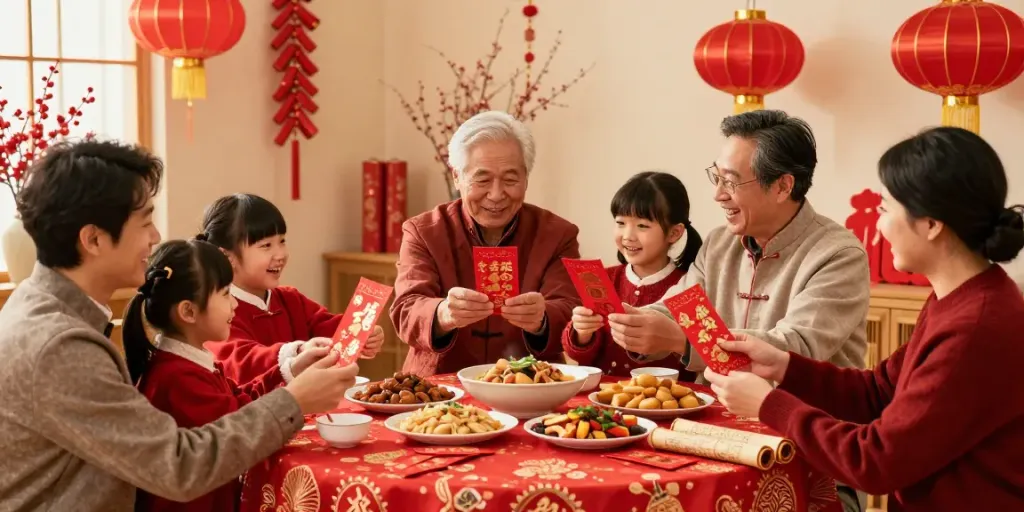
During festivals, particularly the Lunar New Year, the color red becomes ubiquitous. Homes are adorned with red decorations, and festive foods often feature red elements to symbolize wealth and happiness. The practice of giving red envelopes, or angpao, containing money signifies blessings and good wishes for the recipient, solidifying the color's association with fortune. Moreover, red lanterns illuminate the streets and homes, enhancing the celebratory atmosphere of these important occasions.
Symbolic Meaning of Red Envelopes
Red envelopes are perhaps the most recognized use of the color red in Chinese culture. The act of gifting these envelopes is not merely a financial transaction; it is the embodiment of wishes for health, wealth, and happiness. The monetary value inside serves as a token of goodwill, while the red color enveloping it is a symbol of the good fortune being transferred to the recipient. This custom not only exemplifies the cultural significance of red but also reinforces familial ties and community bonds during celebrations.
Exploring the Connection Between Rokok 88 and Red
Rokok 88, a brand known for its rich heritage, also integrates red into its branding strategy. This incorporation reflects the significance of the color in attracting attention and evoking emotional responses from consumers.
How Rokok 88 Uses Red to Capture Attention
The use of red in the branding of Rokok 88 is not incidental; it is a strategic decision grounded in consumer psychology. Red is a color that commands attention, which is essential in a competitive market. By leveraging this color, Rokok 88 not only enhances its visibility but also connects with the cultural sentiments surrounding red in Chinese society, creating a brand identity that resonates with the target audience.
Visual Identity in Branding
Incorporating red into marketing materials and product designs allows Rokok 88 to build a strong visual identity. This identity fosters an association between the brand and positive attributes such as luck, celebration, and enjoyment. Consumers are subconsciously drawn to products that evoke these feelings, leading to increased brand loyalty and customer satisfaction.
Red’s Psychological Impact on Consumers
The psychological effects of colors on consumer behavior are well-documented, and red holds a significant position. Studies have shown that red can stimulate appetite and evoke excitement, making it a potent color for engaging customers. By utilizing red effectively, Rokok 88 can enhance consumer experiences, making their products more appealing during festive seasons and beyond.
Traditions and Customs during Lunar New Year
The Lunar New Year is a time of vibrant celebrations, where traditions are deeply rooted in culture and heritage. The color red plays an essential role in these customs, embodying the hopes and aspirations of families as they welcome a new year.
Essential Decorations for Celebrations
Red decorations are an integral part of Lunar New Year celebrations. Common elements include red couplets adorning doorways, red lanterns hanging in the streets, and intricate displays that create a festive ambiance. These decorations not only beautify the surroundings but also symbolize the collective hope for a prosperous year ahead.
Common Practices among Families
Families often engage in customs that reinforce their bonds and express good wishes for each other. This might include sharing meals prepared with auspicious ingredients or participating in activities that incorporate the color red, such as wearing red clothing or giving red envelopes. Each practice contributes to a sense of unity and joy, essential for marking the occasion.
The Importance of Food and Gatherings
Food plays a pivotal role during the Lunar New Year, with many dishes symbolizing fortune and happiness. Traditional meals are often served in red-themed tableware, further aligning with the color's significance. Gatherings become joyous occasions filled with laughter, stories, and the exchange of red envelopes, solidifying relationships and traditions.
Modern Interpretations of Traditional Themes
In today’s fast-paced world, the fusion of modern elements with traditional themes has become increasingly popular. Brands and individuals alike are redefining how they celebrate and express cultural heritage while honoring longstanding customs.
Incorporating Contemporary Elements in Rituals
Modern households may blend traditional rituals with contemporary styles, using innovative decorations that incorporate the color red in unique ways. For example, using minimalist designs or creating DIY decorations that reflect personal tastes while still adhering to cultural norms. This evolution allows for a personal touch to festive events, making them more relatable to younger generations.
Brands Embracing Cultural Traditions
Businesses, including Rokok 88, have embraced cultural traditions by crafting products that resonate with consumers’ values. By developing products specifically tailored for cultural celebrations, brands can establish a deeper emotional connection with their audience. This approach not only boosts sales but also promotes cultural appreciation and understanding.
Innovative Festive Products and Their Success
Market trends indicate a growing demand for products that reflect cultural significance yet appeal to contemporary tastes. Companies are creating festive items that are stylishly designed while maintaining their traditional meanings. The success of these products often hinges on their ability to connect with consumers on both emotional and practical levels, providing a perfect blend of heritage and modernity.
Future Trends in Cultural Celebrations
As we look to the future, cultural celebrations are expected to continue evolving. Factors such as globalization and digitalization will shape how traditions are interpreted and practiced.
What to Expect in 2026 and Beyond?
The upcoming years may bring heightened integration of technology into traditional celebrations. Virtual gatherings and online platforms may facilitate connections among families and communities during festivals, allowing them to celebrate together despite geographical distances.
Evolution of Traditions in the Digital Age
The digital age will likely see traditions adapting to new forms of expression. The use of social media to share celebrations will allow individuals to showcase their cultural heritage creatively, incorporating the color red through various digital formats, from images to videos. This evolution encourages younger generations to engage with their culture in ways that resonate with their lifestyles.
How Brands Can Adapt to Changing Cultural Landscapes
Brands will benefit from continuously adapting to cultural shifts by staying attuned to consumer preferences and emerging trends. This adaptability will ensure their relevance in a dynamic marketplace. By aligning their marketing strategies with cultural celebrations and integrating elements such as the color red, brands like Rokok 88 can maintain a strong connection with their consumer base while promoting cultural heritage.