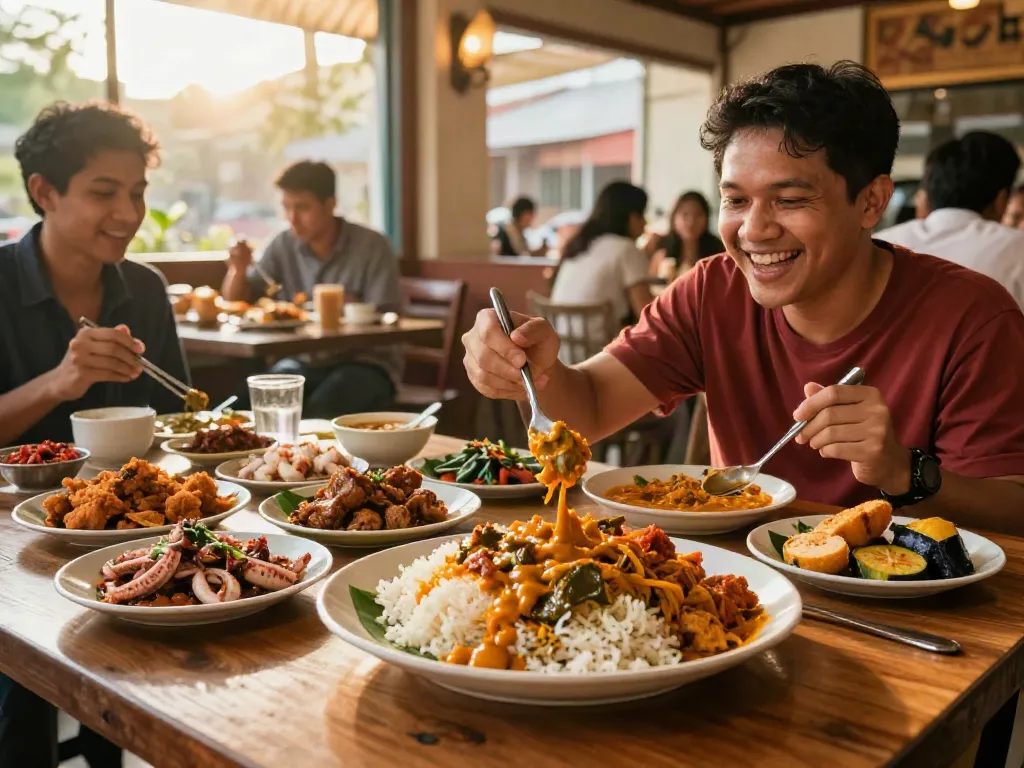
Understanding Nasi Kandar: A Cultural Culinary Journey
Nasi Kandar is not merely a dish; it is a vibrant representation of Malaysia's rich multicultural tapestry, originating from the bustling port of Penang. The dish is famed for its distinctive serving style, where a generous portion of various curries is poured over the rice until it is practically swimming, a process known as "banjir." When exploring options, rokok88 alternatif provides comprehensive insights into the culinary experience that Nasi Kandar offers. The roots of Nasi Kandar can be traced back to the 19th century, when Tamil migrants introduced their unique spices and methods of cooking, transforming simple rice into a culinary delight for laborers and food enthusiasts alike.
Origin of Nasi Kandar in Penang
The term "Nasi Kandar," translates to "carried rice," referring to how street vendors originally transported it. These vendors would balance baskets of rice and curries on a wooden stick across their shoulders, serving hungry dockworkers who required a hearty meal before commencing their daily toil. As Penang evolved into a hub of trade and cultural exchange, so did the culinary practices surrounding Nasi Kandar, enabling it to flourish and adapt.
The Ritual of Mixing Curries
The ritual of mixing different types of curry sauces is an essential part of enjoying Nasi Kandar. Traditionally, several varieties of curry—each with its own unique flavor profile—are combined. The layering process begins with a base of fluffy white rice, often complemented by fragrant briyani or sometimes a spicy fried rice variant. Diners then select from a myriad of accompaniments and various curries, resulting in a visually enticing and flavor-packed plate.
Cultural Significance of Nasi Kandar
Nasi Kandar has transcended its humble beginnings to become a beloved dish across Malaysia. No longer solely associated with the working class, it is now enjoyed by families, tourists, and food connoisseurs alike. Each bite is a celebration of heritage, weaving together stories of the past and flavors that continue to evolve. This uniqueness contributes to Nasi Kandar's status as a cultural icon, not only in Malaysia but also in the culinary world.
Choosing Your Ingredients: The Perfect Balance
To truly appreciate Nasi Kandar, it is essential to understand how to choose the right ingredients to create a well-balanced meal. The interplay between rice, curries, and side dishes dictates the overall experience, making each visit to a Nasi Kandar stall a unique adventure in dining.
Selecting the Right Base Rice
The choice of rice fundamentally affects the dish. Most commonly, diners opt for steamed jasmine rice due to its slight stickiness and ability to absorb curry flavors. Alternatively, some may choose a more aromatic biryani rice, which adds an additional layer of flavor, creating a more complex culinary experience.
Essential Lauk to Consider
The array of lauk, or side dishes, available provides an opportunity to personalize your meal. Popular choices include:
- Ayam Goreng Berempah: Fried marinated chicken with spices, crispy on the outside yet tender and juicy inside.
- Sotong Sambal: Squid cooked in a spicy sambal sauce, offering a taste of the sea with a kick.
- Udang Masak Lemak: Prawns simmered in a rich coconut milk sauce, balancing spice and sweetness.
- Terung Berlada: Fried eggplant drizzled with chili sambal, perfect for adding a spicy zing.
- Ikan Kembung Goreng: Fried mackerel, known for its rich flavor and satisfying crunch.
- Kari Kambing: Tender lamb cooked in a fragrant and rich curry, providing both warmth and comfort.
Understanding Curry Combinations
Each curry type enhances the dish's complexity, allowing for an assortment of textures and flavors. Whether you prefer a mild curry or a fiery rendition, the combination possibilities are endless. The best part of the experience is pouring multiple curry sauces over your rice—the more "banjir," the better!
Step-by-Step Guide to Enjoying Nasi Kandar
Now that you've chosen your ingredients, let's focus on the proper way to indulge in Nasi Kandar to maximize flavor and enjoyment.
Preparing Your Plate: Order Matters
When assembling your plate, start with the rice as the foundation. Follow this by selecting your desired lauk, and finally, create a harmonious blend of curries. The order in which you construct your meal will significantly affect the final taste and experience. This intentional layering is key to achieving that “banjir” effect.
Mixing Techniques for Best Flavor
Once your plate is prepared, it's time to immerse yourself in the authentic experience. Gently mix the curries into the rice using a fork or spoon, ensuring every bite is laced with a harmonious blend of flavors. Some diners prefer to keep the layers distinct for a more varied taste adventure. Experimenting with different mixing techniques will enhance your appreciation of the components involved.
Expert Tips from Local Chefs
Local chefs often suggest trying the recommended combination of dishes, which can lead to exhilarating new flavors. Don't hesitate to ask for chef recommendations, as they often lead to delightful and unexpected pairings that encapsulate the essence of Nasi Kandar.
Exploring Variations: Nasi Kandar Around Malaysia
The versatility of Nasi Kandar is evident in its regional variations throughout Malaysia. Each location often adds its unique twist to the dish, showcasing local ingredients and culinary traditions.
Regional Differences in Preparation
In Kedah, for instance, Nasi Kandar may be paired with more robust and spicier curries, while in Penang, the emphasis might be on sweeter sauces that highlight the influence of Chinese and Malay cooking styles. These variations create a rich tapestry of flavors that reflects the diverse cultural influences present in Malaysia.
Popular Nasi Kandar Outlets to Visit
When seeking out the best Nasi Kandar experiences, certain outlets have gained notoriety for their exceptional offerings. Notable places include:
- Nasi Kandar Line Clear: A local favorite known for its authentic flavors and extensive menu.
- Pelita Nasi Kandar: Renowned for its delicious combinations and vibrant atmosphere.
- Hameediyah Restaurant: One of the oldest establishments, offering a historical perspective along with its exquisite dishes.
Influence of Other Cuisines
The unique nature of Nasi Kandar is its inherent ability to absorb elements from other culinary traditions. Whether it’s a Chinese-inspired fried rice dish or a Malay-style sambal, the fusion of flavors only adds depth to this beloved meal.
Frequently Asked Questions about Nasi Kandar
As Nasi Kandar continues to grow in popularity, many questions arise about this dish. Here are some frequently asked questions to clarify common curiosities:
What is the best way to serve Nasi Kandar?
It is best served freshly assembled, allowing diners to experience the burst of flavors as the ingredients meld together.
Are there vegetarian options available?
Yes, many Nasi Kandar stalls offer vegetarian options, including dishes like fried vegetables, tofu, and various lentil-based curries.
How can I replicate Nasi Kandar at home?
To replicate Nasi Kandar at home, invest in quality spices, and don't hesitate to experiment with different types of curries, bases, and side dishes to find your favorite combinations.
What drinks pair well with Nasi Kandar?
Common drinks include iced tea or sugarcane juice, which complement the meal and provide a refreshing balance to the spices.
Where can I find the best Nasi Kandar in Malaysia?
The best Nasi Kandar can be found in Penang, each establishment bringing its unique flair, ensuring a delightful culinary journey no matter where you go.